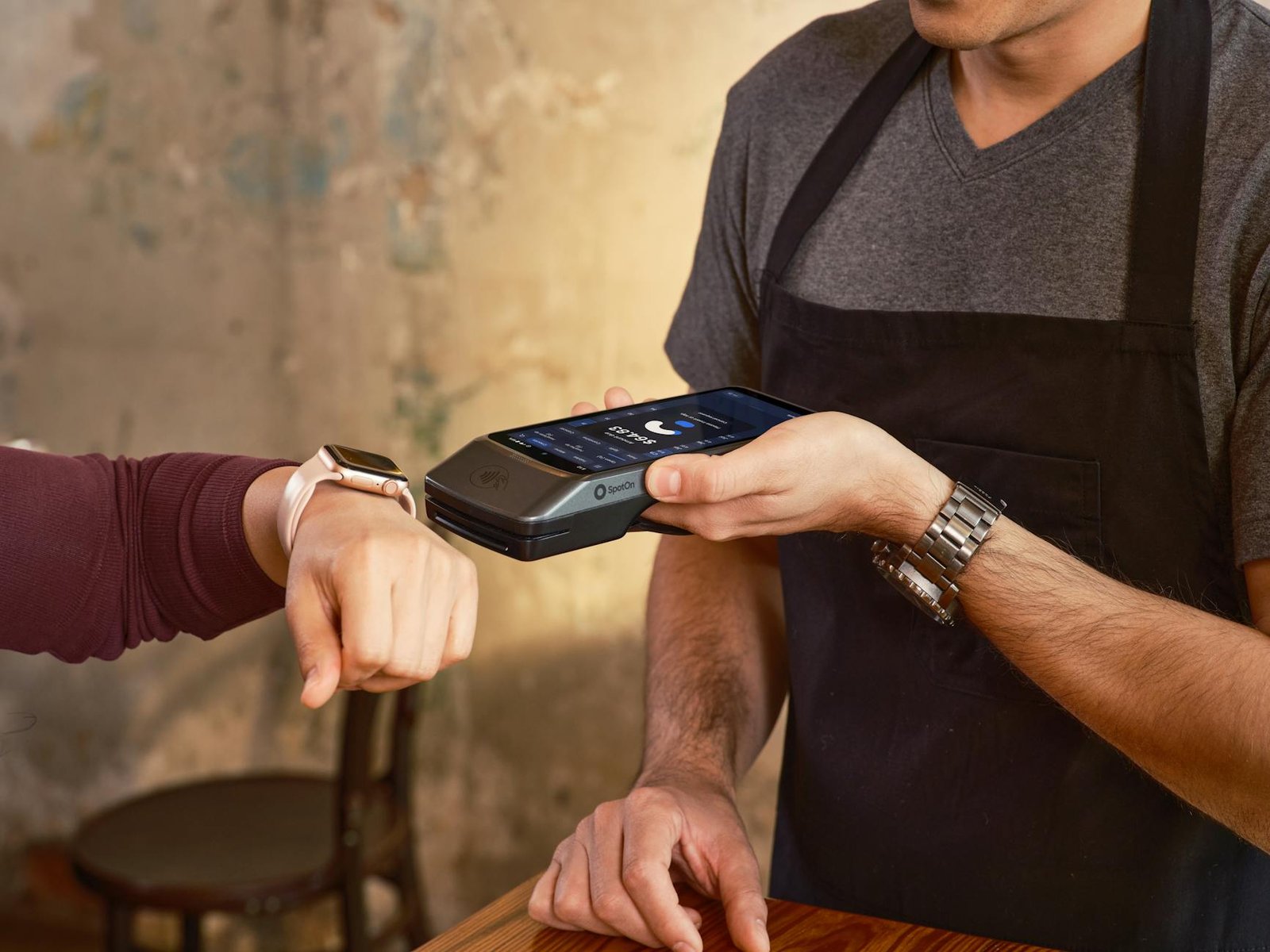
By the first warm Saturday in May, a Massachusetts garden center looks less like a retail store and more like a high-velocity outdoor logistics operation. Perishable inventory moves by the hour, customers queue at makeshift outdoor checkouts with heavy flatbed carts loaded with annuals, and seasonal hires who started less than a week ago are expected to ring up complex sales without slowing down the line.
The point-of-sale (POS) hardware behind these transactions must withstand intense sun glare, abrasive pollen, greenhouse humidity, and the heavy Mother’s Day weekend volume that defines an independent garden center’s entire fiscal quarter.
This environment places vastly different demands on a register than a climate-controlled coffee shop or boutique. Handheld scanners get dropped on gravel pads. Credit card terminals sit exposed to morning mist. Wi-Fi networks struggle to span a multi-acre nursery lot uniformly. Choosing the wrong configuration of terminals, scanners, and label printers does not just cause operational friction—it creates multi-lane bottlenecks that cost you peak-season sales.
Why Garden Center POS Hardware Is Its Own Category
Generic retail checkout bundles assume clean, dust-free counters and highly durable, barcode-stamped merchandise. Independent Garden Centers (IGCs) break both assumptions daily.
Historically, garden centers were among the slowest specialty retail segments to modernize their transactional infrastructure. Industry tracking shows that roughly 28% of IGCs operated without a formalized electronic POS framework prior to recent supply chain and consumer shifts—largely because operators were too overwhelmed by peak-season volume to halt operations for a software implementation.
Today, Massachusetts nurseries are rapidly closing this automation gap to secure better inventory forecasting and lower labor overhead.
The Real Cost of Green-Goods Shrinkage
Where generic retail hardware fails most aggressively is in loss documentation. In standard apparel or gift retail, inventory shrinkage is assumed to be driven by theft or administrative errors.
In the green industry, up to 78% of inventory loss stems directly from plant deterioration rather than theft. If your POS hardware and backend software cannot easily track dead counts, flat breakdowns, and distressed markdowns directly from the sales floor, your inventory valuations will drift into pure fiction by mid-summer.
Specialty Garden Center POS vs. Generic Mass-Market Platforms
┌────────────────────────────────────────────────────────────────────────┐
│                        CHOOSE YOUR CHECKOUT PATH                       │
├────────────────────────────────────────────────────────────────────────┘
│ SPECIALTY POS (e.g., POS Nation, RetailEdge)
│  ├── Pros: Rugged outdoor hardware, weather-proof plant tags
│  └── Cons: Higher upfront capital, distinct learning curve
├────────────────────────────────────────────────────────────────────────
│ GENERIC RETAIL POS (e.g., Clover, Square, Shopify)
│  ├── Pros: Sleek interior look, intuitive tablet design
│  └── Cons: Screen glare failures, fragile connections, zero soil/rain
└────────────────────────────────────────────────────────────────────────┘
Sizing for the New England Spring Crunch
The most expensive mistake a Massachusetts garden center can make is sizing its hardware order around an average Tuesday afternoon in August. Your register capacity must be engineered to handle the intense spring traffic windows that dictate your seasonal cash flow.
In New England, the gardening window is highly compressed. Mother’s Day weekend, Memorial Day weekend, and the initial warm Saturdays following the final regional frost generate traffic patterns that bear no resemblance to the rest of the year.
A single checkout lane that hums along comfortably for ten months of the year quickly becomes a major bottleneck when families with overflowing flatbeds line up past the greenhouse. If your throughput drops because a terminal overheats in the sun or a card reader drops its wireless connection, customers will abandon their carts right on the gravel.
Building a “Hot Spare” and Mobilizing Lanes
Provisioning an extra register lane that sits idle during the slow summer and winter months may feel inefficient on a ledger, but the return on investment (ROI) crystallizes during peak rushes.
An extra terminal allows you to deploy a lower-stress training lane for newly onboarded seasonal staff. More importantly, it provides an immediate “hot spare” if an outdoor terminal takes a direct hit from a sudden thunderstorm or an unannounced power surge.
For a nimble small business, a hybrid lane architecture is ideal: keep your core, heavy-duty wired terminals stationed at the primary indoor counter, and supplement them with ruggedized, mobile tablets for quick “line-busting” across the yard when weekend queues peak.
Hardware Built to Survive Dust, Mud, and Rain
To build an outdoor checkout station that survives a demanding season, every peripheral must be selected for environmental durability.
1. Sunlight-Readable Touchscreen Terminals
Standard consumer-grade tablets and low-cost monitors wash out entirely under direct afternoon sunlight. Your outdoor checkout lanes require high-brightness, commercial-grade touchscreen displays designed to combat intense glare.
Furthermore, the touchscreen digitizer must be highly responsive; cashiers frequently operate these units with soil-dusted fingers or lightweight utility gloves, meaning resistive or low-sensitivity capacitive screens will stall your checkout speeds.
2. Weather-Resistant Plant Labeling
The barcode tag attached to a wet pot or tree trunk is a critical piece of your POS ecosystem. Standard thermal paper labels designed for indoor shelves blacken under direct sunlight or disintegrate when hit by overhead irrigation systems.
Specialty operations utilize heavy-duty thermal transfer printers (such as dedicated Zebra industrial desktop units) paired with polyolefin wrap-around hangtags or stylized pot-stakes. If a barcode fades, cashiers are forced to run manual SKU lookups—instantly slowing down your line during a rush.
3. Industrial Handheld Barcode Scanners
Do not expect cashiers to lift a 40-pound bag of premium potting soil or a five-gallon shrub onto a counter just to hit a short-range laser scanner. Your lanes require ruggedized, wireless 2D Bluetooth barcode scanners with an extended operating range.
These units must feature an Ingress Protection (IP) rating high enough to withstand repeated six-foot drops onto concrete, exposure to ambient soil dust, and light rain overspray.
Evaluating the Top Specialty POS Competitors
The specialty retail marketplace features four key software and hardware providers tailored specifically to green-industry operations:
Garden Center POS Shortlist
| POS System | Primary Design Strength | Best Suited For | Payment Processing Model |
| POS Nation | Turnkey hardware bundles with 24/7 dedicated in-house support. | All-in-one setup for independent retail nurseries. | Requires in-house processing agreement. |
| RetailEdge | Feature-rich local client/server database architecture. | Multi-location yards needing deep offline reliability. | Open; integrates with multiple merchants. |
| KORONA POS | Ultra-fast cloud analytics with zero contract lock-ins. | High-volume retail lanes with custom loyalty rewards. | Processor-agnostic; works with any gateway. |
| Rapid Garden POS | Heavy-duty bulk tracking and landscape service billing. | Complex operations combining retail with install crews. | Integrated or flexible merchant options. |
POS Nation vs. RetailEdge
POS Nation offers a cohesive, vertically integrated solution. Following their acquisition of CAP Retail, they consolidated their software development and technical support entirely in-house. This is a massive logistical advantage when you need emergency troubleshooting at 7:00 AM on a chaotic Saturday in May.
RetailEdge, developed by High Meadow Business Solutions, takes a highly practical, client/server architectural approach. Rather than relying entirely on a live internet connection, it stores data locally on your physical checkout machines while syncing to the cloud in the background. If a seasonal storm knocks out your local internet connectivity, RetailEdge allows your outdoor registers to keep ringing up customers without a second of downtime.
KORONA POS vs. Rapid Garden
KORONA POS is widely recognized for delivery speed and processing flexibility. It features the fastest average checkout transaction time in the industry, making it an excellent match for high-volume farm stands and urban garden centers. It operates on a month-to-month subscription model with zero restrictive, long-term contracts.
Rapid Garden POS is heavily customized for complex operations that merge a retail nursery with commercial landscaping services. It handles specialty green-industry pricing matrix variants out of the box—such as tracking bulk soil deliveries, managing mixed-pot flat discounts, and processing corporate landscape installation invoicing under unified customer files.
Anatomy of a Standard $1,349 Starter Hardware Bundle
For a small operator pricing out a hardware infrastructure upgrade, a baseline commercial lane deployment typically requires an investment of around $1,349 per register.
Dissecting a commercial starter package reveals five core components that must sync perfectly:
                  ┌───────────────────────────────┐
                  │ 15.6" Touchscreen PC Terminal │
                  └───────────────┬───────────────┘
                                  │
         ┌────────────────────────┼────────────────────────┐
         ▼                        ▼                        ▼
┌─────────────────┐      ┌─────────────────┐      ┌─────────────────┐
│ Wireless 2D     │      │ Heavy Cash      │      │ High-Output     │
│ Barcode Scanner │      │ Steel Drawer    │      │ Thermal Printer │
└─────────────────┘      └─────────────────┘      └─────────────────┘
-
The 15.6-inch Touchscreen Terminal: The focal point of the lane. It houses the primary processor and must feature a bright, durable glass face that handles constant physical impact.
-
The High-Output Thermal Printer: Spits out clean, itemized paper receipts for retail consumers while logging transactions. Indoor stations use thermal paper; outdoor print stations often require impact matrix printers if ambient heat threatens to discolor thermal receipt stock.
-
The Long-Range Wireless Scanner: Allows checkout clerks to walk out to a customer’s wagon to scan large materials without forcing them to unload heavy products.
-
The All-Steel Cash Drawer: Must feature heavy-duty internal rollers and secure locking mechanisms, as cash and paper checks remain highly common payment methods at seasonal agricultural counters.
-
The Mini Compact Keyboard: Tucked directly under the monitor stand, this layout tool allows managers to quickly execute secure overrides, process complex tax-exempt landscaper profiles, or run manual SKU inventory updates.
The Small Business Buying Guide: Decision Framework
Before signing a multi-year software lease or purchasing a field of hardware registers, run every platform candidate through this objective operational checklist:
-
Seasonal Employee Onboarding Time: Can a seasonal high school student or part-time employee learn the core ring-out and void screens within two hours of training? If the interface requires complex menu diving, your lines will stall during peak weekend rushes.
-
Wholesale and Retail Pricing Flexibility: Can the terminal automatically toggle between retail pricing for a weekend homeowner and tax-exempt, tiered volume discounts for a registered local landscape contractor?
-
True Offline Capabilities: Does the register lock up completely if your outdoor Wi-Fi connection drops for ten minutes? Look for platforms that support localized database architecture so you can keep taking payments off-grid.
-
Pre-Built Inventory Reporting: Ensure the system includes robust, pre-configured inventory reporting modules. During peak season, your team has zero time to build custom data queries. You need to pull clear shrinkage metrics, top-selling plant varieties, and hourly labor-to-sales ratios with a single click on Monday morning.
The Bottom Line
Rugged outdoor POS hardware is a specialized business requirement, not a general retail upgrade. The registers you deploy this season must be engineered from the ground up to withstand regional weather fluctuations, high ambient dust, and concentrated weekend transaction spikes. Sizing your system to handle your busiest spring days ensures you protect your operational margins and eliminate checkout friction when it matters most.
Match Your Platform to Your Operations
-
Deploy POS Nation or RetailEdge if you operate a traditional standalone retail nursery and want a durable, turnkey hardware ecosystem backed by robust green-industry technical support.
-
Deploy KORONA POS if your layout demands ultra-fast transaction ring times, an flexible month-to-month subscription model, and the total freedom to choose your own credit card payment processor.
-
Deploy Rapid Garden POS if your business architecture combines a high-volume retail yard with a commercial landscaping, delivery, and site-installation service enterprise.
Your Action Item This Week
Walk your outdoor checkout zones with a tape measure and an internal notepad. Map out exactly where your data cables run, count your covered power access outlets, and identify your primary line-bottleneck paths from last spring. Pull your highest hourly transaction records from your merchant processor from the previous May, and send those precise volume targets to a dedicated specialty POS vendor. Measuring your baseline infrastructure constraints now ensures your lanes are fully configured and deployed well before the spring rush begins.
Need Help Syncing Your Retail Website or POS Integration?
If you run a local retail business and need a digital storefront that works in harmony with your physical counters, yards, and checkout lanes, we can help. Monir Tech Solutions specializes in practical retail website development, inventory mapping, and multi-lane POS system data integration for independent brands across the New England area.
Reach out to our team at info@monirtechsolutions.com and we will respond within 24 hours.