Building website trust is essential for converting visitors into paying customers. People won’t buy from businesses they don’t trust online. Furthermore, trust takes seconds to lose but months to build back.
Your website is often the first interaction potential customers have with your business. First impressions form within milliseconds of landing on your page. Consequently, every element either builds trust or destroys it immediately.
This guide shows you exactly how to build website trust that converts skeptical visitors into confident customers. You’ll learn practical strategies to implement on your small business website today.
Why Website Trust Matters for Small Business
Trust is the foundation of every business transaction fundamentally. Understanding its importance motivates investment in trust-building elements.
Visitors Are Naturally Skeptical
Online scams and poor experiences have made consumers cautious rightfully. Visitors assume websites might be untrustworthy until proven otherwise. Therefore, you must actively demonstrate credibility constantly.
According to Stanford Web Credibility Research, 75% of users judge business credibility based on website design. First impressions matter enormously for trust building.
Trust Directly Impacts Conversions
Visitors who don’t trust your website won’t become customers ever. They’ll leave and find competitors who feel more reliable instead. Consequently, low trust equals low conversions consistently.
Studies show that trust signals can increase conversions by 42% or more significantly. Therefore, investing in trust pays measurable dividends.
Trust Reduces Purchase Anxiety
Buying online involves risk that creates anxiety naturally. Will the product arrive? Is my payment secure? Will they honor returns? Trust signals answer these questions reassuringly.
Reduced anxiety means more completed purchases ultimately. Visitors feel confident clicking buy buttons on trustworthy websites.
Trust Builds Long-Term Relationships
Customers who trust your business return repeatedly over time. They recommend you to friends and family enthusiastically. Furthermore, they forgive occasional mistakes more easily.
Customer lifetime value increases dramatically with trust established. Therefore, trust-building investments compound over years.
Trust Differentiates You from Competitors
Many small business websites look unprofessional and untrustworthy unfortunately. Building strong trust signals sets you apart immediately. Consequently, visitors choose you over competitors naturally.
Trust becomes a competitive advantage in crowded markets specifically. When products seem similar, trust tips decisions.
Essential Elements That Build Website Trust
Certain elements signal trustworthiness to visitors universally. Include these throughout your small business website.
Professional Design
Your website design immediately signals professionalism or its absence. Outdated, cluttered, or broken designs destroy trust instantly. Conversely, clean, modern designs build confidence automatically.
Invest in professional design that reflects your business quality accurately. Visitors assume your products and services match your website quality.
According to Blue Corona research, 48% of users say website design is the top factor in business credibility. Therefore, design matters tremendously for trust.
Clear Contact Information
Legitimate businesses provide clear ways to contact them directly. Hidden or missing contact information raises immediate suspicions. Therefore, display phone numbers, emails, and addresses prominently.
Include contact information in your header, footer, and dedicated contact page. Multiple locations ensure visitors always find it easily.
Physical addresses particularly build trust for local businesses specifically. They prove you’re a real business with actual location.
About Page with Real People
Faceless businesses feel less trustworthy than those showing real people. Your About page should feature actual team photos and biographies. Consequently, visitors connect with humans behind the business.
Share your story, mission, and values authentically and genuinely. People trust businesses they understand and relate to personally.
Avoid stock photos that feel fake and impersonal entirely. Authentic images build trust far better than polished fakes.
Security Indicators
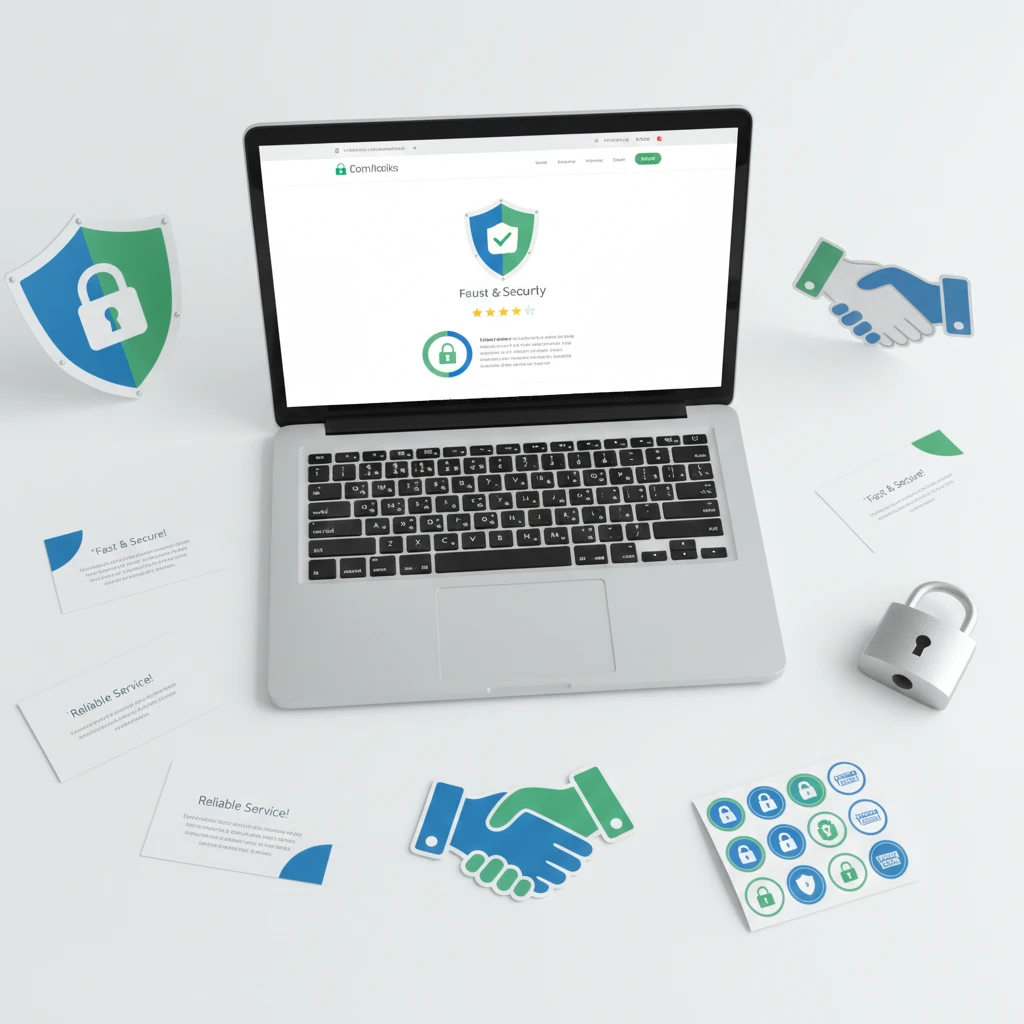
Security concerns prevent many online purchases from completing successfully. Display SSL certificates, security badges, and safe payment icons prominently. These signals reassure visitors about transaction safety.
Norton and McAfee trust seals increase conversions measurably. Payment processor logos like Visa and PayPal also build confidence.
Ensure your site uses HTTPS throughout every page completely. Browser warnings about insecure sites destroy trust immediately.
Social Proof Elements
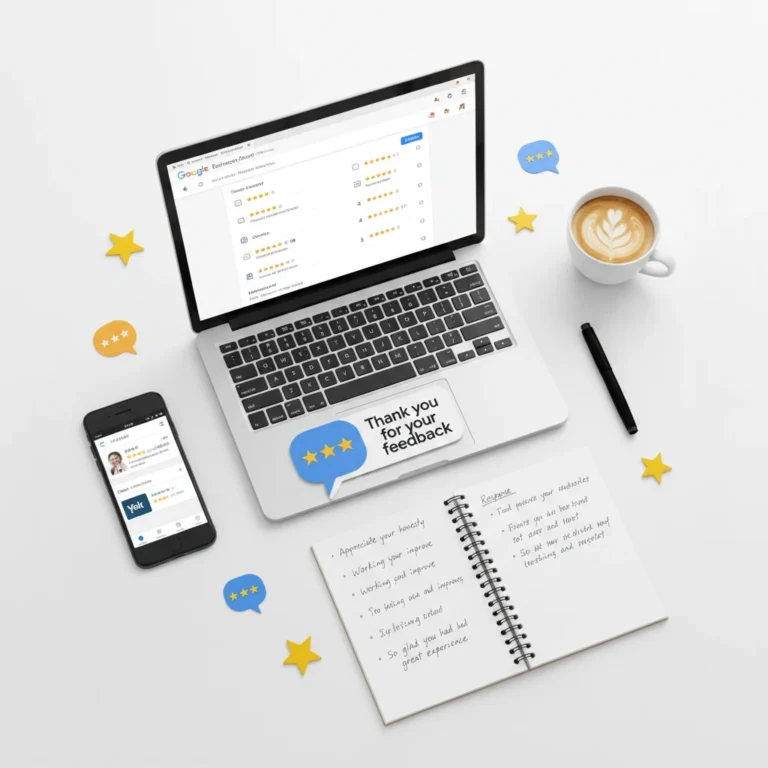
People trust businesses that others have trusted before successfully. Display customer reviews, testimonials, and case studies prominently. Furthermore, show social media follower counts and engagement.
Third-party review platforms like Google and Yelp carry more weight than self-published testimonials. Link to these external reviews directly.
Numbers build trust effectively when impressive enough. “Trusted by 500+ local businesses” communicates credibility quickly.
Professional Content
Spelling errors, grammatical mistakes, and poor writing damage credibility significantly. Professional content demonstrates attention to detail and competence. Therefore, invest in quality copywriting throughout.
Clear, helpful content also builds trust through demonstrated expertise. Visitors trust businesses that provide genuine value freely.
Update content regularly to show your business is active currently. Outdated blog posts and old copyright dates suggest neglect.
How to Build Website Trust Through Design
Design choices communicate trustworthiness before visitors read anything. Apply these principles consistently.
Use Consistent Branding
Consistent branding across all pages builds familiarity and trust gradually. Use identical colors, fonts, and styles throughout your site. Inconsistency suggests disorganization or unprofessionalism.
Your website should match other marketing materials exactly. Business cards, social media, and signage should all align.
Brand consistency extends to tone and messaging as well. Speak the same way across all touchpoints.
Ensure Fast Loading
Slow websites feel broken and untrustworthy to visitors unfortunately. Speed signals technical competence and professionalism clearly. Therefore, optimize loading times aggressively.
Google research shows 53% of mobile visitors leave pages taking over 3 seconds. Fast loading is essential for maintaining trust.
Make Navigation Intuitive
Confusing navigation frustrates visitors and damages trust significantly. People should find what they need within seconds easily. Therefore, organize content logically and clearly.
Use familiar navigation patterns visitors expect naturally. Creative navigation often confuses rather than impresses unfortunately.
Display Trust Badges Prominently
Security badges, certifications, and awards build trust visually instantly. Place them near CTAs and checkout areas strategically. However, only display genuine credentials honestly.
Too many badges can appear desperate or fake unfortunately. Choose three to five most relevant badges maximum.
Use High-Quality Images
Blurry, stretched, or obviously stock images damage credibility significantly. Professional photography signals a professional business clearly. Therefore, invest in quality visuals throughout.
Product photos particularly need high quality and multiple angles. Visitors can’t touch products, so images must build confidence.
Building Trust Through Content
What you say and how you say it impacts trust significantly. Follow these content guidelines carefully.
Demonstrate Expertise
Share knowledge that proves your expertise in your field genuinely. Blog posts, guides, and tutorials establish authority effectively. Consequently, visitors trust your recommendations and services.
Don’t just sell—educate and help visitors solve problems freely. Generosity with information builds trust and relationships.
Answer common questions thoroughly and honestly always. Helpful content outperforms promotional content for trust building.
Be Transparent About Pricing
Hidden fees and unclear pricing destroy trust immediately and permanently. Display pricing information clearly wherever possible openly. Visitors respect businesses that don’t play pricing games.
If exact pricing isn’t possible, provide ranges or explain variables clearly. “Starting at $X” or “Request a custom quote” sets expectations.
Explain what’s included and excluded from prices specifically. Clarity prevents misunderstandings that damage relationships.
Share Customer Success Stories
Real stories from real customers build trust powerfully effectively. Case studies showing specific results demonstrate proven capability. Consequently, visitors believe you can help them similarly.
Include specific numbers and outcomes whenever possible accurately. “Increased sales by 47%” beats “improved results” significantly.
Get permission to use customer names and businesses specifically. Named testimonials carry more weight than anonymous ones.
Address Concerns Proactively
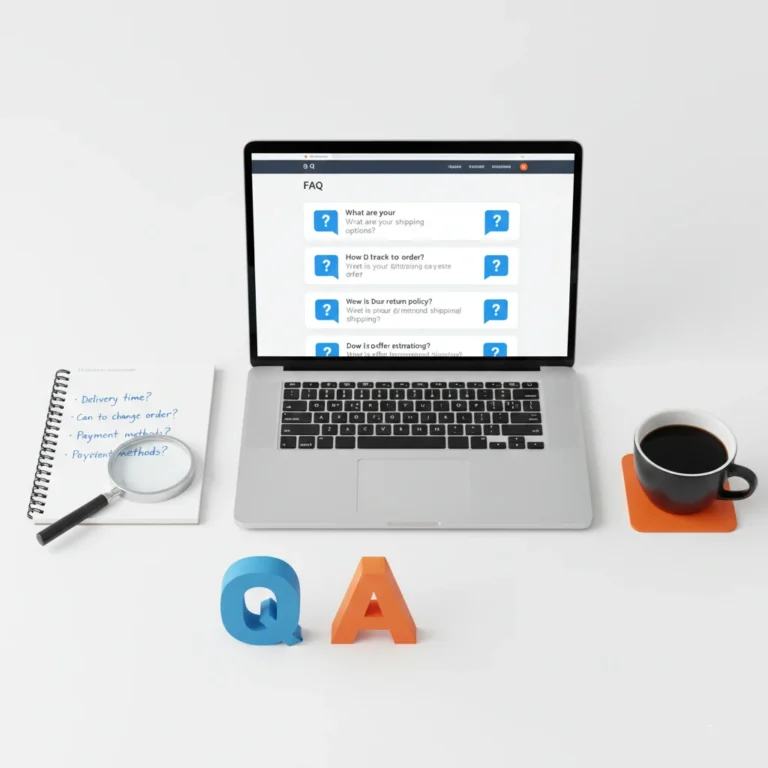
Anticipate visitor concerns and address them before they ask directly. FAQs, guarantee explanations, and process descriptions reduce anxiety. Consequently, visitors feel understood and reassured.
What would prevent someone from buying from you specifically? Answer those objections throughout your content strategically.
Maintain Current Information
Outdated content suggests an abandoned or struggling business unfortunately. Keep all information current and accurate consistently. Update copyright years, team information, and pricing regularly.
Regular blog posts signal an active, thriving business clearly. Even monthly updates show you’re still operating successfully.
Trust Signals for E-commerce Websites
Online stores need additional trust elements for transactions specifically. Include these on your e-commerce site.
Secure Checkout Indicators
Display security logos prominently during checkout processes clearly. SSL padlock icons should be visible throughout payment. Furthermore, explain security measures in simple terms.
“Your payment is secured with 256-bit encryption” reassures visitors effectively. Technical details actually build confidence when explained.
Clear Return and Refund Policies
Generous return policies reduce purchase anxiety dramatically. Clearly explain how returns work step by step. Additionally, make policies easy to find from anywhere.
“30-Day Money-Back Guarantee” removes risk from purchases entirely. Visitors buy confidently knowing they can return easily.
Multiple Payment Options
Offering familiar payment methods builds trust through association naturally. Visa, Mastercard, PayPal, and Apple Pay logos reassure visitors. They trust these companies already implicitly.
Limited payment options suggest a less established business unfortunately. More options accommodate more preferences and build confidence.
Shipping Information Transparency
Unclear shipping costs and times create anxiety and cart abandonment. Display shipping information early in the shopping process. Don’t surprise visitors with costs at checkout.
Shipping calculators let visitors know costs before committing fully. Transparency throughout the process builds trust consistently.
Product Reviews and Ratings
Customer reviews on product pages build trust more than descriptions alone. Real feedback from real buyers validates your claims. Furthermore, even negative reviews build trust when handled well.
BrightLocal research shows 87% of consumers read online reviews. Therefore, displaying reviews is essential for trust.
Building Trust for Service Businesses
Service businesses face unique trust challenges without physical products. Address these specifically.
Showcase Credentials and Certifications
Professional certifications prove competence and legitimacy clearly immediately. Display relevant licenses, degrees, and industry certifications prominently. Visitors trust credentialed professionals more readily.
Include certification logos near your services and About page specifically. Explain what certifications mean if visitors might not know.
Feature Detailed Case Studies
Service results are harder to visualize than physical products unfortunately. Detailed case studies show what you’ve accomplished specifically. Consequently, visitors understand your capabilities clearly.
Include before/after scenarios, specific challenges, and measurable outcomes always. Stories make abstract services concrete and believable.
Explain Your Process Clearly
Unknown processes create anxiety about working with service providers. Explain exactly what happens step by step clearly. Consequently, visitors know what to expect throughout.
Process transparency shows professionalism and organization clearly. It also sets realistic expectations that build trust.
Offer Free Consultations
Free consultations let prospects evaluate you without risk entirely. They can assess your expertise and personality before committing. Therefore, consultations convert skeptical visitors effectively.
“Schedule Your Free 30-Minute Consultation” reduces barriers significantly. Visitors have nothing to lose by talking with you.
Display Professional Memberships
Industry association memberships signal legitimacy and professionalism clearly. Better Business Bureau accreditation particularly builds trust effectively. Display membership logos prominently throughout.
These memberships show commitment to professional standards consistently. Visitors trust businesses that invest in credibility.
Common Trust Mistakes to Avoid
Many businesses unknowingly damage trust through these common errors. Learn from their mistakes.
Fake or Exaggerated Claims
Unrealistic claims immediately trigger skepticism in visitors naturally. “Best in the world” and “100% guaranteed results” feel dishonest. Therefore, make believable claims you can support.
Specific, modest claims outperform vague, grand ones for trust. “Helped 200+ local businesses” beats “Industry leader” easily.
Hidden Information
Hiding pricing, contact details, or policies destroys trust immediately. Visitors assume you’re hiding something negative deliberately. Therefore, be transparent about everything important.
If something seems negative, address it honestly and proactively. Honesty about limitations actually builds trust surprisingly.
Broken Website Elements
Broken links, missing images, and error pages signal incompetence clearly. They suggest you don’t care about visitor experience. Therefore, test your website regularly and thoroughly.
Fix problems immediately when discovered without delay. Broken elements accumulate and compound trust damage.
Aggressive Sales Tactics
Pushy popups, fake urgency, and manipulation destroy trust permanently. Visitors recognize these tactics and resent them intensely. Therefore, respect visitors and avoid manipulation entirely.
Genuine helpfulness sells better than aggressive tactics anyway. Trust-based selling outperforms pressure consistently.
Ignoring Mobile Experience
Poor mobile experience suggests an outdated, unprofessional business unfortunately. Most visitors browse on phones nowadays primarily. Therefore, mobile experience must be excellent.
Test your website on actual mobile devices regularly. Desktop-only focus damages trust with the majority of visitors.
Measuring Website Trust
Track these indicators to understand how trusted your website appears.
Bounce Rate
High bounce rates may indicate trust problems specifically. Visitors leaving immediately didn’t find what they expected. Investigate pages with unusually high bounce rates.
Compare bounce rates before and after trust improvements. Decreasing rates suggest increased trust levels.
Time on Site
Longer visit durations suggest visitors trust your content enough to engage. Very short visits indicate immediate trust failures. Monitor time on site across different pages.
Increasing time on site often correlates with trust improvements. Engaged visitors are trusting visitors.
Conversion Rates
Conversion rates directly reflect trust levels functionally. Low conversions despite good traffic indicate trust problems likely. Therefore, track conversions as a trust metric.
A/B test trust elements to measure their conversion impact specifically. Data reveals what actually builds trust effectively.
Customer Feedback
Ask customers directly about their trust perceptions honestly. Surveys and interviews reveal trust factors you might miss. Furthermore, feedback identifies specific improvement opportunities.
New customers particularly remember what built their trust initially. Their fresh perspective provides valuable insights.
The Bottom Line
Building website trust converts skeptical visitors into confident customers consistently. Every element on your website either builds trust or damages it. Therefore, audit your entire site through a trust lens.
Start with essential elements: professional design, clear contact information, and security indicators. Then add social proof, quality content, and transparency throughout. Finally, continuously improve based on feedback and data.
Remember that trust requires consistency over time ultimately. One trust-building element doesn’t overcome multiple trust-damaging problems. Therefore, address trust comprehensively across your entire website.
Your competitors may have established trust already with your potential customers. Therefore, catching up should become an immediate priority for your business. Start implementing these trust-building strategies today.
Need help building trust through your website? Get a free quote or contact us to discuss your website needs.