Picture this scenario: a local regular orders a sandwich through your restaurant’s online ordering page, drives over to pick it up, and notices that the printed menu board hanging by your register lists that exact same sandwich for two dollars less. The customer feels blindsided, your cashier frantically improvises an in-store discount to smooth over the tension, and your register drawer ends the night short of what your digital inventory tracking states it should be.
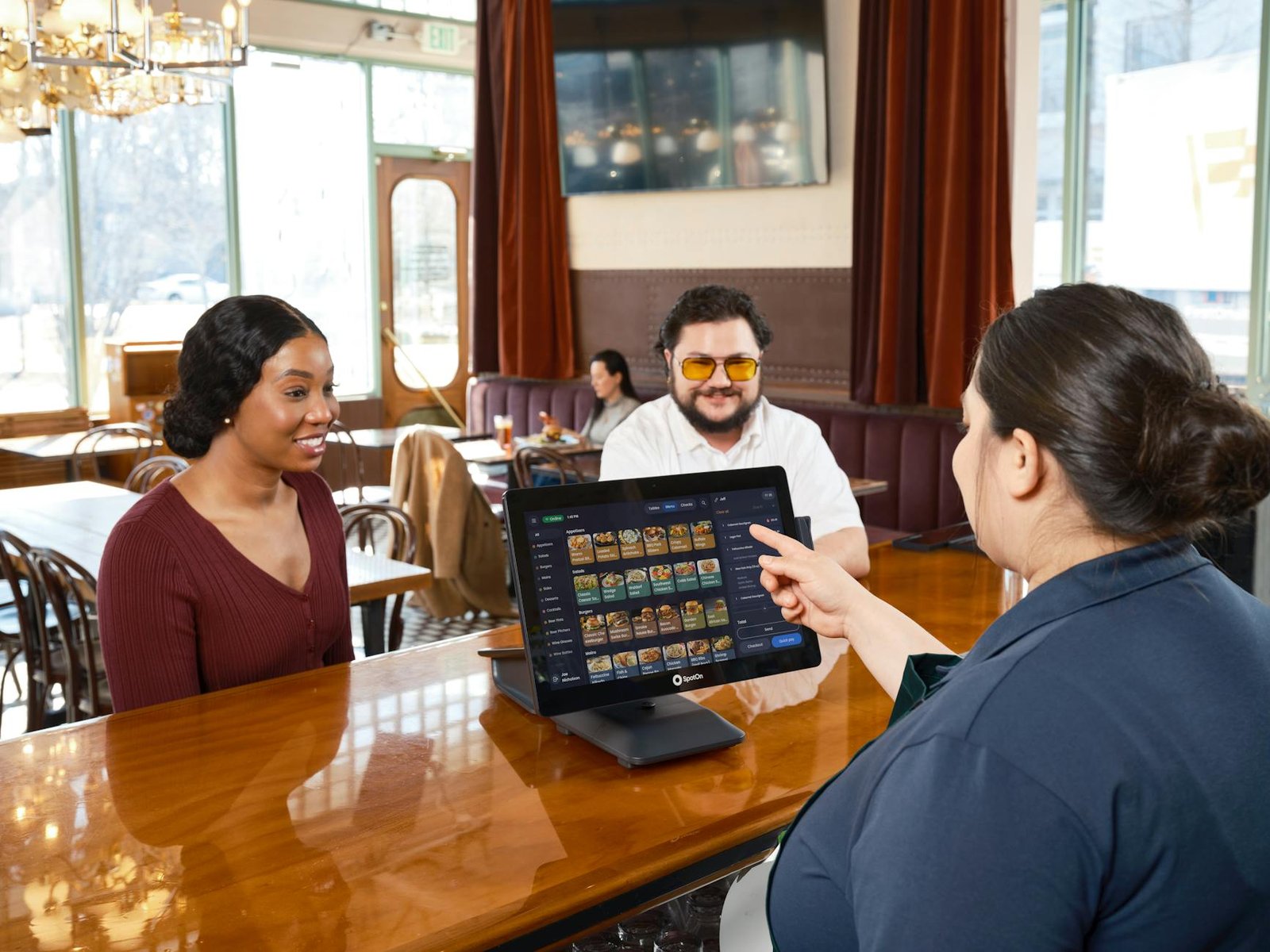
That structural price gap is almost never an isolated data entry typo. It is the visible symptom of a deep operational issue: your consumer-facing digital ordering channels and your physical Point of Sale (POS) system are operating in complete isolation.
[ Centralized POS Master Menu ] ──► Automated Percentage Markup Engine
                                                │
                                                ├──► In-Store Terminal: Base Rate ($12.00)
                                                └──► Delivery Apps API: Offset Rate ($14.40)
For an independent restaurant operating on tight, single-digit net margins, these silent data discrepancies do far more than complicate your nightly auditing. They directly erode customer retention, trigger high-rate credit card chargebacks, and exhaust your staff’s sanity.
Resolving this fragmentation requires looking past basic manual entries to deploy a unified, server-to-server data architecture that synchronizes pricing, tax compliance variables, and real-time inventory states instantly.
The 2026 Reality: Intentional Dual-Pricing vs. Unintentional Menu Drift
To manage a profitable kitchen, you must first distinguish between destructive menu drift and intentional dual-pricing strategies.
Relying on manual entries across multiple disconnected dashboards to update your dishes is a recipe for operational failure. Every time a food distributor raises the wholesale price of poultry or paper supplies, your management team is forced to execute manual updates across six separate interfaces: your in-store terminal, your website ordering page, Google Food Ordering, DoorDash, Uber Eats, and Grubhub. This manual workflow inevitably results in forgotten updates, broken modifier logic, and missing tax categorizations.
Offsetting Marketplace Commissions Automatically
However, keeping your online prices identical to your physical menu board is a major financial mistake. Third-party delivery marketplaces charge baseline fulfillment commissions ranging from 15% to 30% per ticket.
To protect your bottom line, modern POS engines (such as Boston’s native Toast POS, Clover, or Square) do not require you to completely decouple your menus to protect your margins.
Instead, they deploy Two-Way API Menu Synchronizations. You maintain one single, centralized master catalog database inside your terminal dashboard. When pushing that menu out to third-party delivery apps via integrated middleware channels (such as ItsCheckmate), the system applies an automated, channel-specific percentage markup (e.g., a flat 20% elevation across marketplace items) to fully offset commission liabilities while keeping your direct website ordering link and in-store cash registers perfectly baseline.
Technical Performance Architecture: The Integration Tiers
Choosing how to route your digital menu data dictates your front-of-house processing speeds, order accuracy metrics, and weekly labor costs.
Restaurant Menu & Order Sync Architecture Comparison
| Performance Metric | Fully Manual Operations | Partial Integration Framework | Automated Two-Way API Sync |
| Menu Database Control | Fragmented. Separate login dashboards per marketplace. | Split. Orders enter POS; menus are updated manually. | Single Source of Truth. Master terminal pushes data everywhere. |
| Order-Entry Friction | High. Staff must manually re-key tablet orders into the POS. | Zero. Incoming web orders stream straight to the kitchen lines. | Zero. Fully automated order injections and ticket routing. |
| Real-Time 86’ing Velocity | Extemely Slow. Requires pausing line production to change settings. | Delayed. Must manually toggle item availability across multiple apps. | Instant. Marking an item out on the terminal updates all channels. |
| Pricing Alignment | Severe risk of unmonitored price drift. | High probability of human error across channel folders. | Controlled. Base pricing matches; markup rules apply instantly. |
| Fulfillment Rejection Rate | Scales rapidly during peak weekend service rushes. | High risk of selling out-of-stock items to web buyers. | Minimized. Automated item suppression protects order scores. |
Where the Sync Matrix Breaks Down in Daily Operations
To stabilize your operational throughput, your back-of-house team must understand the three primary failure vectors where menu sync arrays collapse:
1. Nested Modifier Hierarchy Disconnections
The most complex element of any restaurant menu is the modifier matrix—the critical optional toggles attached to a dish (e.g., Choice of Preparation, Add Extra Protein, Substitute Gluten-Free Sub Roll).
When your online ordering integration is weak, the text strings on your website form fail to map to the exact SKU parameter codes recognized by your kitchen’s ticket printers. When a customer customizes an order online, the modifier prints as unreadable plain text or fails to register an upcharge value, forcing your line cooks to stop production to verify the ticket.
[ Online Order Form: "Add Bacon" ] ──► Mapped to Incorrect SKU Parameter Code
                                                    │
                                                    ▼
[ Kitchen Ticket Prints ]          ──► ❌ Missing Upcharge / Blank Modifier Text
2. Marketplace Ranking Penalties (The API Mandate)
Major delivery networks prioritize user experience above all else. If a digital consumer orders a seasonal item or a premium special that your kitchen ran out of two hours ago because your terminal failed to push a real-time availability update, your staff is forced to manually reject the order.
High cancellation rates damage your store health score inside marketplace algorithms. The delivery networks respond by systematically lowering your organic store placement or revoking your visibility badging, driving down your weekly digital traffic.
3. Multi-Unit Brand Discrepancies
For operators running multiple outlets across distinct neighborhoods—such as operating separate locations in Cambridge, South End, and Somerville—manual menu management creates massive brand consistency liabilities.
If a consumer orders their favorite signature dish at your Cambridge location and pays a different baseline price than they did at your Somerville location due to an un-synced profile sheet, they attribute the discrepancy to administrative sloppiness rather than localized supply overhead, degrading your local brand equity.
The Remediation Playbook: Building a Bulletproof Data Pipeline
To resolve your pricing inconsistencies and streamline your kitchen output, move your operational management through this systematic technical checklist:
Step 1: Establish Your Master System of Record
Designate your physical in-store POS (such as Toast or Clover) as your absolute, centralized master menu vault. Never log into individual DoorDash or Uber Eats merchant portals to manually tweak prices or reword item descriptions. If a menu adjustment must be executed, perform the change exclusively inside your core terminal dashboard.
Step 2: Deploy Native Two-Way API Channels
Transition your architecture away from legacy, manual data tracking. Work with your technical developer to configure direct, server-to-server API integrations. Ensure that your setup includes:
-
Bi-Directional Order Injection: Web orders flow straight to your kitchen’s thermal printers under unified layout formats, removing the order-entry bottleneck completely.
-
Dynamic Menu Publishing: Price changes executed at your primary terminal propagate across your website and connected marketplaces within minutes of saving.
-
Automated Real-Time 86’ing: When your kitchen line calls out the final count on a specific protein or limited special, tapping “86 Item” on your expeditor screen instantly suppresses that item across all active consumer apps.
Step 3: Run a Structured Micro-Audit
Before your next high-volume weekend rush, open your core terminal menu layout, your public website ordering page, and your primary marketplace apps side by side on a screen. Pull a data sample of your top 20 highest-grossing menu items.
Cross-reference their baseline item names, tracking SKUs, custom modifier upcharges, and localized sales tax settings. Note any hidden pricing variations inside a centralized tracking spreadsheet to build an immediate punch list for your development integration partner.
The Bottom Line
Menu pricing variances across your digital channels are an integration issue, not a staff performance problem. Attempting to force a manual, multi-dashboard data entry process to stay perfectly accurate during high-volume kitchen service introduces persistent human error.
By centralizing your digital catalog inside an open API terminal environment, deploying automated channel markups to offset delivery app commission percentages, and running systematic micro-audits, you eliminate transactional friction, reclaim valuable manager labor hours, and secure your restaurant’s profit margins.
Need Help Modernizing Your Restaurant Website or POS Sync Pipelines?
If you are an independent Boston restaurant group or fast-casual operator looking to eliminate menu drift, deploy seamless online ordering systems, or synchronize your digital store backend with hardware like Toast or Clover POS, we can assist. Monir Tech Solutions specializes in restaurant web development, secure payment gateway integrations, and native e-commerce data pipeline optimization.
Reach out to our restaurant technical optimization team anytime at info@monirtechsolutions.com and we will respond within 24 hours.