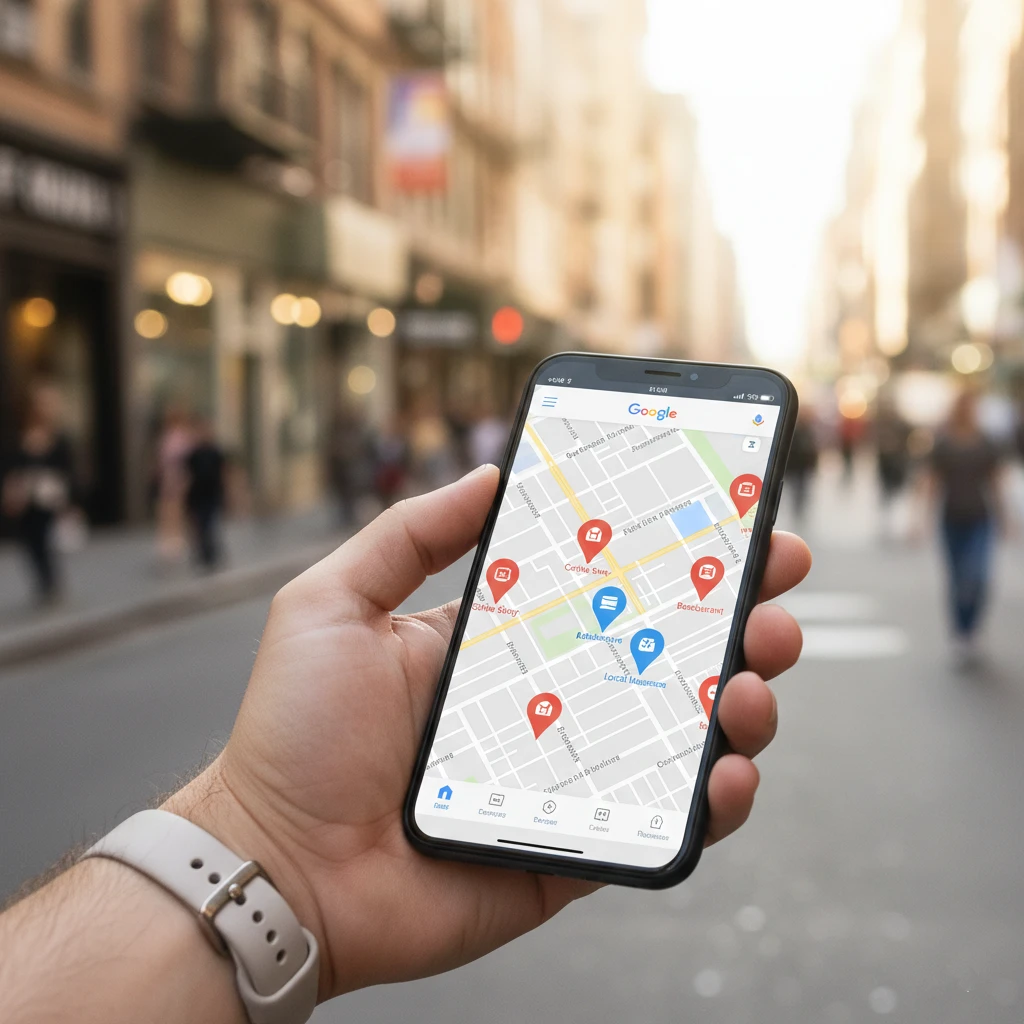
When someone searches “restaurants near me” or “web developer in Boston,” does your business appear? Local SEO determines whether nearby customers find you or your competitors.
For small businesses serving local customers, local SEO is often more valuable than traditional SEO. You’re not competing with every business on the internet—just those in your area.
Here’s how to improve your local SEO and get found by customers in your area.
Claim and Optimize Your Google Business Profile
Your Google Business Profile (formerly Google My Business) is the single most important factor in local SEO. It’s free, and it controls how you appear in Google Maps and local search results.
Setting Up Your Profile
If you haven’t claimed your listing, go to business.google.com and follow the verification process. Google will mail a postcard with a verification code to your business address.
Optimization Essentials
Complete every field. Business name, address, phone, website, hours, categories—fill in everything. Incomplete profiles rank lower.
Choose the right primary category. This significantly affects which searches you appear for. Pick the category that best describes your main business activity.
Add secondary categories. If you’re a restaurant that also does catering, add both categories.
Write a compelling description. Use your main keywords naturally while describing what makes your business special.
Add photos. Businesses with photos receive 42% more direction requests. Add quality images of your location, products, team, and work.
Keep It Updated
Post regularly. Google Business allows posts about offers, events, and updates. Active profiles rank better than dormant ones.
Respond to reviews. Reply to every review, positive and negative. This shows engagement and helps build trust.
Update hours for holidays. Nothing frustrates customers more than showing up to a closed business that Google said was open.
Build Local Citations
Citations are mentions of your business name, address, and phone number on other websites. They help Google verify your business information and improve local rankings.
Essential Citation Sources
Start with the major directories that carry the most weight:
- Yelp
- Facebook Business
- Bing Places
- Apple Maps
- Yellow Pages
- Better Business Bureau
Industry-Specific Directories
Depending on your business, relevant directories include:
- TripAdvisor (restaurants, hotels)
- Houzz (home services)
- Avvo (lawyers)
- Healthgrades (medical)
- Angie’s List (home services)
Consistency Is Critical
Your business name, address, and phone number must be identical everywhere. “123 Main St” and “123 Main Street” are different to search engines. Pick one format and use it consistently.
Get More Reviews
Reviews influence both rankings and customer decisions. Businesses with more positive reviews appear higher and attract more clicks.
How to Get Reviews
Ask satisfied customers. The simplest approach works best. After a positive interaction, ask if they’d leave a review.
Make it easy. Create a direct link to your Google review page and share it via email, text, or receipts.
Time it right. Ask when customers are happiest—right after a successful project or great meal.
Follow up. A gentle reminder a few days later can prompt customers who intended to leave a review but forgot.
Responding to Reviews
Thank positive reviewers. A brief, genuine thank you shows you value customer feedback.
Handle negative reviews professionally. Acknowledge the concern, apologize for their experience, and offer to make it right offline. Your response is really for future customers watching how you handle problems.
Optimize Your Website for Local Search
Your website should reinforce your local presence to search engines.
On-Page Optimization
Include your city in key places. Your homepage title, headings, and content should mention your location naturally.
Create location-specific pages. If you serve multiple areas, create individual pages for each with unique content.
Add schema markup. LocalBusiness schema helps search engines understand your business information.
Embed Google Maps. A map on your contact page reinforces your location.
Local Content
Create content relevant to your local area:
- “Best [service] in [city]” guides
- Coverage of local events you participate in
- Case studies featuring local clients
- Area-specific tips and resources
This content attracts local searches and establishes you as part of the community.
Build Local Links
Links from other local websites signal to Google that you’re a legitimate local business.
Local Link Opportunities
Local news and blogs. Being featured in local publications provides valuable links.
Sponsorships. Sponsor local events, sports teams, or charities. These often include website links.
Local business associations. Chamber of Commerce memberships usually include directory listings.
Partner businesses. Exchange referrals and links with complementary local businesses.
Local resource pages. Many cities have “best of” or resource pages that accept submissions.
Track Your Progress
Monitor your local SEO performance to see what’s working.
Key Metrics
Google Business Insights: Shows how many people see and interact with your listing.
Local ranking position: Track where you appear for key local searches.
Website traffic from local searches: Use Google Analytics to see traffic from location-based queries.
Phone calls and direction requests: Google Business tracks these directly.
The Long Game
Local SEO isn’t instant. Building citations, earning reviews, and creating content takes time. But the effort compounds—once you establish strong local presence, maintaining it requires much less work than building it.
Start with the highest-impact actions: claim and optimize your Google Business Profile, get reviews, and ensure consistent citations. Then gradually build out your local content and links.
Need help improving your local SEO? Contact us for a free website audit that includes local SEO recommendations.